
AC Repair
Technicians document findings before any parts are ordered or replaced. Every job includes a review of the system settings once repairs are finished so the equipment operates as intended.
HVAC · South Carolina
Hauser HVAC handles HVAC work across South Carolina.
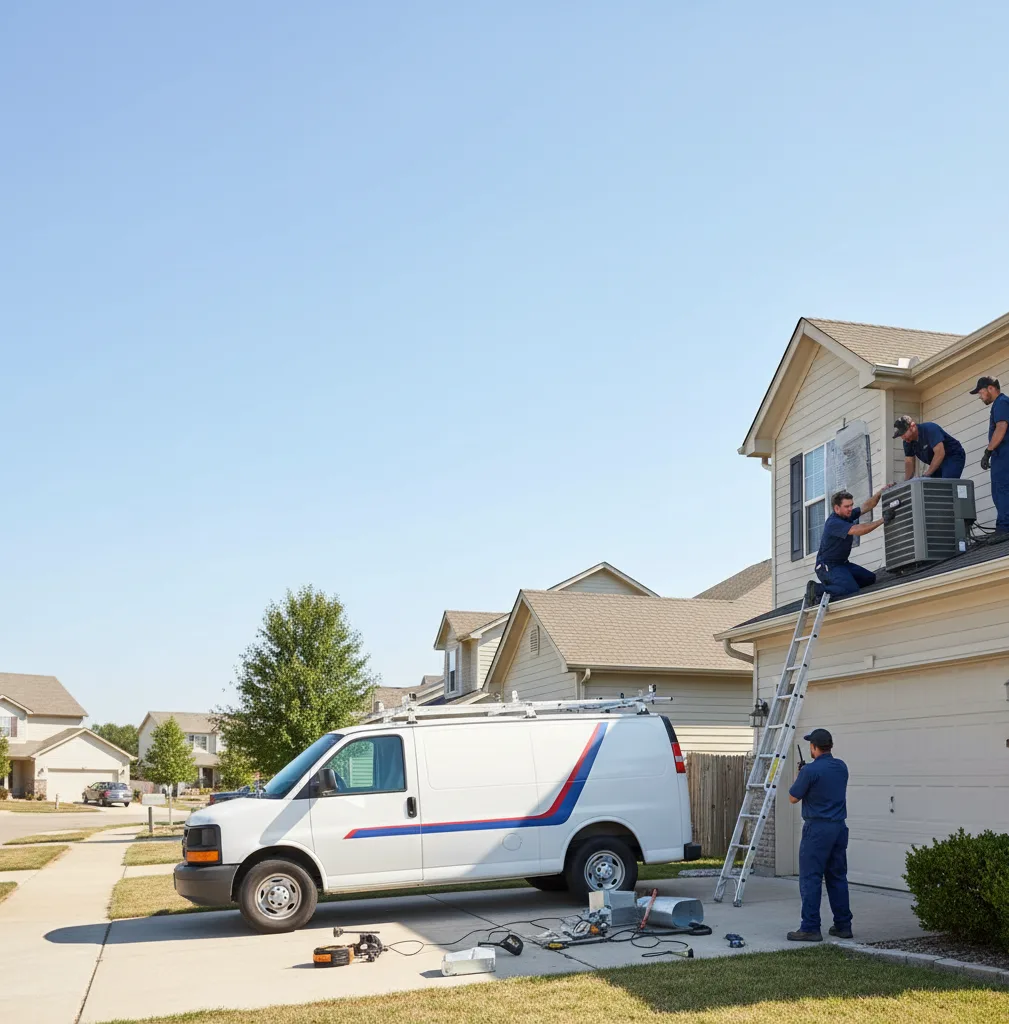
Every job follows the local code and permit rules that apply in South Carolina rather than a one-size-fits-all approach.
Technicians hold the credentials required by South Carolina for the specific work being performed.
Hail, heavy rain, high wind, and freeze-thaw cycles common in various regions are taken into account during diagnosis.
Services
Technicians document findings before any parts are ordered or replaced. Every job includes a review of the system settings once repairs are finished so the equipment operates as intended.
Hauser HVAC focuses on identifying the root cause rather than replacing parts at random. Technicians document findings and explain options so owners can decide what fits their equipment and budget.
The company sends technicians who inspect the entire heating system rather than replacing the first part that appears faulty. Work is documented so property owners have a record of what was tested and what remains in acceptable condition.
The crew measures the space, reviews duct condition, and selects equipment that fits the load before any work starts. Every job includes removal of the old unit and a walkthrough of the new controls.
Technicians document existing conditions before any work begins and confirm that replacement equipment matches the measured heating load. All installations follow the same safety and performance checklist regardless of location.
Technicians follow a documented checklist that covers electrical, mechanical, and airflow components. Findings are recorded in writing so owners have a record for their own files. Work is performed only by individuals licensed where South Carolina requires it.
The crew starts with a full inspection of accessible ducts and records what is found before any cleaning tools are used. Equipment is selected to match the size and layout of the system rather than using one method for every home.
A rattling or grinding sound often points to loose components or failing motors rather than a simple imbalance. Technicians begin by isolating the noise to the indoor unit, outdoor condenser, or ductwork before checking refrigerant levels or electrical connections. In South Carolina many systems run harder during summer peaks or winter cold snaps, which can accelerate wear on bearings and belts. Homeowners sometimes mistake these sounds for normal aging when the actual cause is debris caught in the fan or a capacitor nearing failure. A careful inspection separates normal expansion noises from mechanical problems that need prompt attention.
Loss of cool air can stem from a tripped breaker, low refrigerant, or a thermostat that no longer reads room temperature correctly. Checking the air filter first reveals whether restricted airflow has caused the coil to freeze, a frequent occurrence after pollen seasons. Next the outdoor unit is examined for fan operation and visible damage from weather. Technicians then test capacitors and contactors because these parts fail more often under repeated start-stop cycles. Homeowners can note whether the system tries to start or stays completely silent, which helps narrow the cause before any tools are opened.
Why us
Consistent approach to every job across the state
Hauser HVAC handles heating and cooling work for homes and businesses in all areas of South Carolina. Every project starts with an on-site visit to check the equipment and conditions before any pricing is given.
The technician who performs the initial assessment is the same one who completes the work.
Written details on the scope of work and the total cost are provided before any tasks begin.
Common replacement parts are carried on the vehicle to fix frequent issues without delay.
Removed components are shown to the customer and left on site unless removal is requested.
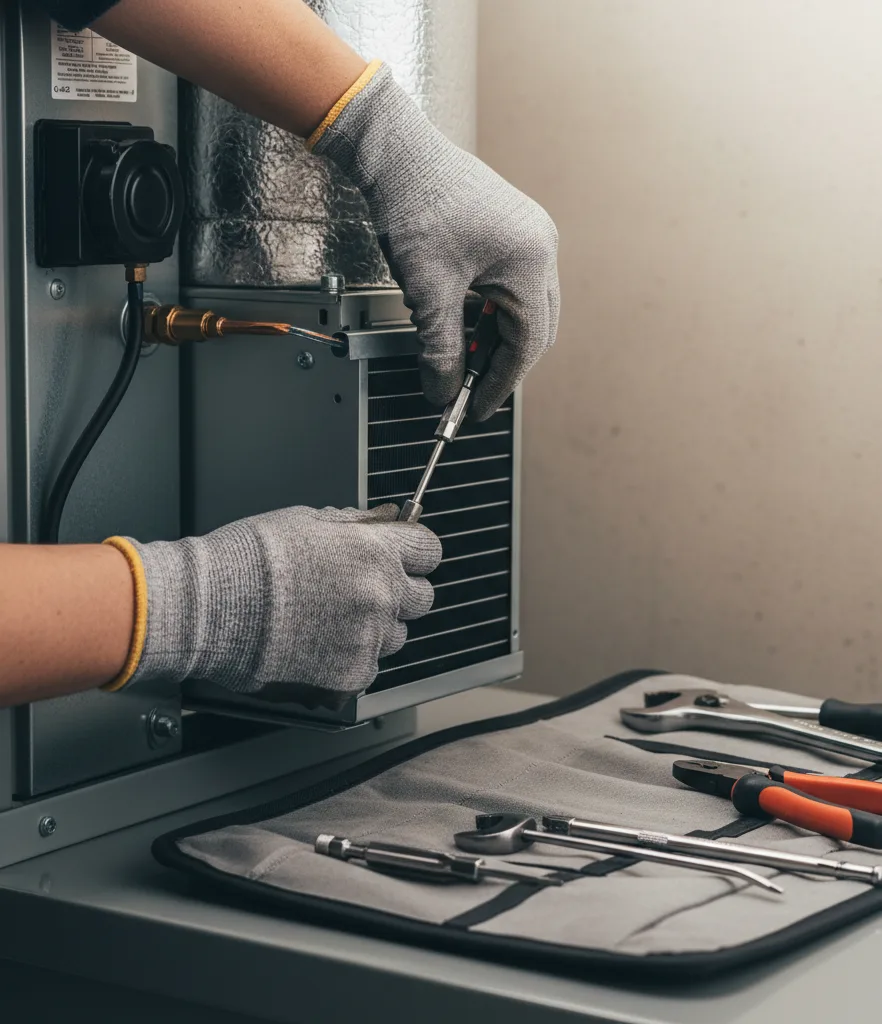
Our process
The sequence keeps the focus on diagnosis, options, and verification without assuming every job is identical.
The process begins with a full system history and a walkthrough of recent changes in performance. Technicians then measure temperatures, pressures, and electrical values at multiple points rather than relying on a single reading. In South Carolina older homes often have mixed equipment from different eras, so each component is evaluated against its actual age and condition. Findings are explained on site with options ranked by urgency and expected lifespan. No work proceeds until the scope and any required permits are confirmed.
A capacitor replacement stays limited to one part and a quick retest. In contrast, a refrigerant leak may require locating the source, repairing or replacing the coil, and then verifying the entire charge. Properties with multiple zones or rooftop units add steps for balancing dampers and checking each thermostat. Access limitations such as tight crawl spaces or roof pitch also change the time and equipment needed. These variables determine whether the job finishes in one visit or requires a follow-up once parts arrive.
Hauser HVAC handles heating and cooling for homes and businesses across South Carolina. Technicians take on different needs, from routine maintenance to bigger repairs, and keep each job centered on clear talk plus steps everyone agrees to. The state's mix of coastal humidity, inland heat and occasional winter cold shapes the systems we work with every day.
Every service call starts with an inspection and a plain explanation of what we find. We lay out the options in everyday language and confirm the price before anything begins. Technicians bring the tools and parts for most common HVAC issues, so we can fix problems without extra delays. The same process holds for a single-family house or a commercial building.
Key points of our service include:
Working statewide gives us exposure to many building styles, home ages and local weather patterns. That background shows us what usually fails in South Carolina properties and the best way to handle it. Every technician follows the same training so service quality stays consistent no matter where the call comes from. When questions come up about an existing system, we can go over the details first. Rapid response stays a priority so issues get checked quickly.
Pricing
The final amount depends on the scope of the job, access to equipment, age and condition of parts, and whether permits are required. Figures below are starting points only and not quotes.
HVAC Repair — starting at $185 Capacitor Replacement — starting at $145 Fan Motor Replacement — starting at $295 Refrigerant Leak Repair — $375-$650 Thermostat Replacement — starting at $165 Coil Cleaning — starting at $125 Electrical Component Check — starting at $95 Ductwork Inspection — starting at $110 Condenser Fan Blade Replacement — starting at $175 Full System Diagnostic — starting at $135
Rental units in South Carolina often need repairs that satisfy both tenant comfort and landlord documentation requirements. Older homes frequently have undersized returns or outdated thermostats that create uneven temperatures. Technicians note these conditions so recommendations address the root layout rather than treating symptoms alone. Seasonal maintenance plans help catch small issues before they affect tenants or trigger emergency calls during extreme weather. The same attention applies to commercial spaces where downtime carries different costs than a residence.
Small temperature swings or an occasional click usually allow scheduling during normal hours. Continuous running without reaching setpoint, visible ice on lines, or burning smells indicate the system should be turned off until checked. Before any visit, homeowners can confirm power to the unit and replace a dirty filter to see whether performance improves. Keeping return vents clear and noting which rooms differ most helps the technician focus the diagnosis quickly once on site.
FAQ

Confirm the thermostat is set to heat and the fan switch is on auto. Check that the power switch near the furnace is on and look at the filter to see if it is blocked. These quick steps sometimes reveal a simple fix before a technician arrives.
Short cycling usually traces back to an oversized unit, a dirty filter, or a thermostat that is not reading the room temperature correctly. We check the temperature differential across the equipment and the placement of the thermostat to narrow it down. In some cases the limit switch is tripping early because of restricted airflow.
Most filters slide out easily once you locate the return grille or furnace door. We can show you the correct size and direction during a visit so future changes are simple. If the system has been running with a clogged filter for a while we may still need to inspect the blower and coil.
Nearby
Coverage
HVAC Repair across South Carolina. Call (888) 509-8077.
Call (888) 509-8077